Photography tips
9 Pet Photography Ideas to Capture Your Pet in a New Way
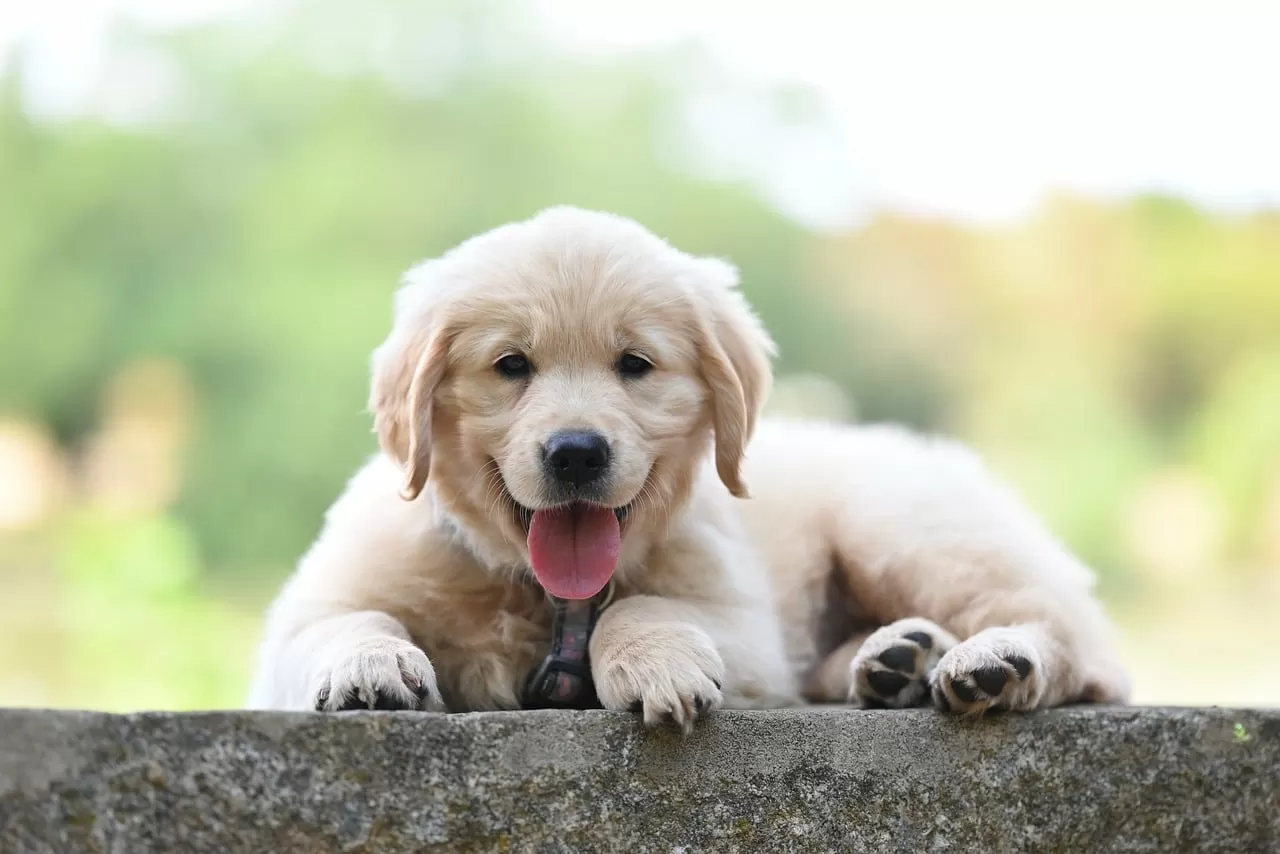
Pet photography is fun and rewarding. Animals are some of the most photogenic subjects there are, and capturing their personalities, silly moments and cute looks can be a challenge, but when it comes together the results are stunning portraits.
1. Use Natural Light
Natural light is usually your best choice, whether you are indoors or outside. It is free and always available, and it is more flattering than most artificial light. Soft daylight, such as an overcast sky or the hour after sunrise and before sunset, gives smooth, gentle results.
2. Capture Your Pet's Personality
Photograph your pet doing the things that make them unique, like jumping on the bed, shredding paper or playing with a favourite toy. For a more classic look, pose them in front of a plain background.
3. Take Photos of Everyday Life
Everyday moments show who your pet really is: their expressions, eye contact and body language. If your cat loves the window sill or curling up on the bed with you, photograph those moments. If you have two dogs who love to play together, take pictures of them in action.
4. Get Down on Their Level
Getting down to your pet's level puts them at ease and shows the world from their point of view, which often results in more natural photos.
- Kneel down. If you can do it comfortably and safely, it is the best option.
- Use a low stool or chair so you can move freely without straining.
- Stay low rather than towering over your pet, so they feel relaxed around you.
5. Capture Silly Moments
Encourage your dog to make a funny face or leap into the air, or catch your cat doing something unexpected. It does not have to be elaborate. Get a little closer than usual and be patient; something entertaining usually happens if you wait a few minutes.
6. Look for Interesting Backgrounds
- Look for textures, colours and patterns that complement your pet's coat or a favourite sweater.
- Make sure the background is not too busy. Nothing should draw attention away from your pet's face.
- Use natural light whenever you can, which keeps images soft and avoids cords and lamps underfoot.
7. Keep It Simple and Avoid Clutter
Clutter distracts the viewer, the photographer and often the pet too. Clear away stray toys and crumpled paper so nothing competes with your pet's personality in the frame.
8. Focus on Eyes and Expressions
The eyes are the heart of a pet portrait. They show what your pet is thinking and feeling and help you capture a real moment.
- Eyes set the mood. Combine them with simple colours, texture and lighting to create emotion.
- Eyes tell stories. A muddy paw or a favourite toy in the frame adds a narrative your viewers will connect with.
9. Try Different Angles
A new angle can make all the difference, and your pet will look different depending on where you stand. Use a tripod to keep the camera steady when shooting from above or below, or lie down on the floor for playful shots. Keep their eyes in the frame as much as possible, since they are one of the most expressive features.
Capture Your Pet's Spirit
This is easier than it sounds. Photograph your pet in their natural environment, while they play or sleep, and you may even catch them mid-snack. If you do not feel especially creative, simply photograph them doing their usual things at home:
- Playing with another animal or a toy
- Digging in the garden, if they are allowed outside
- Sleeping on a favourite blanket or pillow
Keeping things simple means that even when no big moment comes along, you will still have images worth sharing or printing for the family album.